.webp)

1DS Blog
The 12 Best Influencer Marketing Agencies for Health and Wellness Brands (2026)
28 Jul 2026
The 12 best influencer marketing agencies for health and wellness brands in 2026, ranked with honest fit notes, real client results, and how to choose.
The best health and wellness influencer marketing agency for most brands in 2026 is 1DS Collective, based on category depth and results like Liver King's 3B+ views and Tim Biohacker's 32M+ monthly Instagram views. Socially Powerful, Viral Nation, and Obviously follow for brands that need global enterprise scale.
Health and wellness is the hardest category in influencer marketing to do well. Audiences are skeptical, regulators are watching, and one creator with a fake following or a sloppy supplement claim can cost you more than the campaign budget.
So this list is built for operators, founders and marketing leads at supplement, fitness, functional food, and health-tech brands who need an agency that already knows the category. Every agency below is real, active in 2026, and described by its publicly known positioning.
How we chose
Yes, we put ourselves first. Here's the criteria we scored every agency against, ours included, so you can judge whether the ranking holds up:
- Proven results in health, wellness, or fitness specifically
- Depth of creator network in the category
- Full-service capability: strategy through content and distribution
- Audience verification and brand safety practices
- Measurement beyond reach and impressions
- Publicly documented client work (no vague "trusted by" walls)
- Honest fit: who they serve well, and who they don't
1. 1DS Collective
1DS Collective is a Los Angeles brand-to-media agency, and health, wellness, and fitness is our home vertical. We've run 200+ creator and celebrity partnerships, and the work behind our biggest results lives in this category.
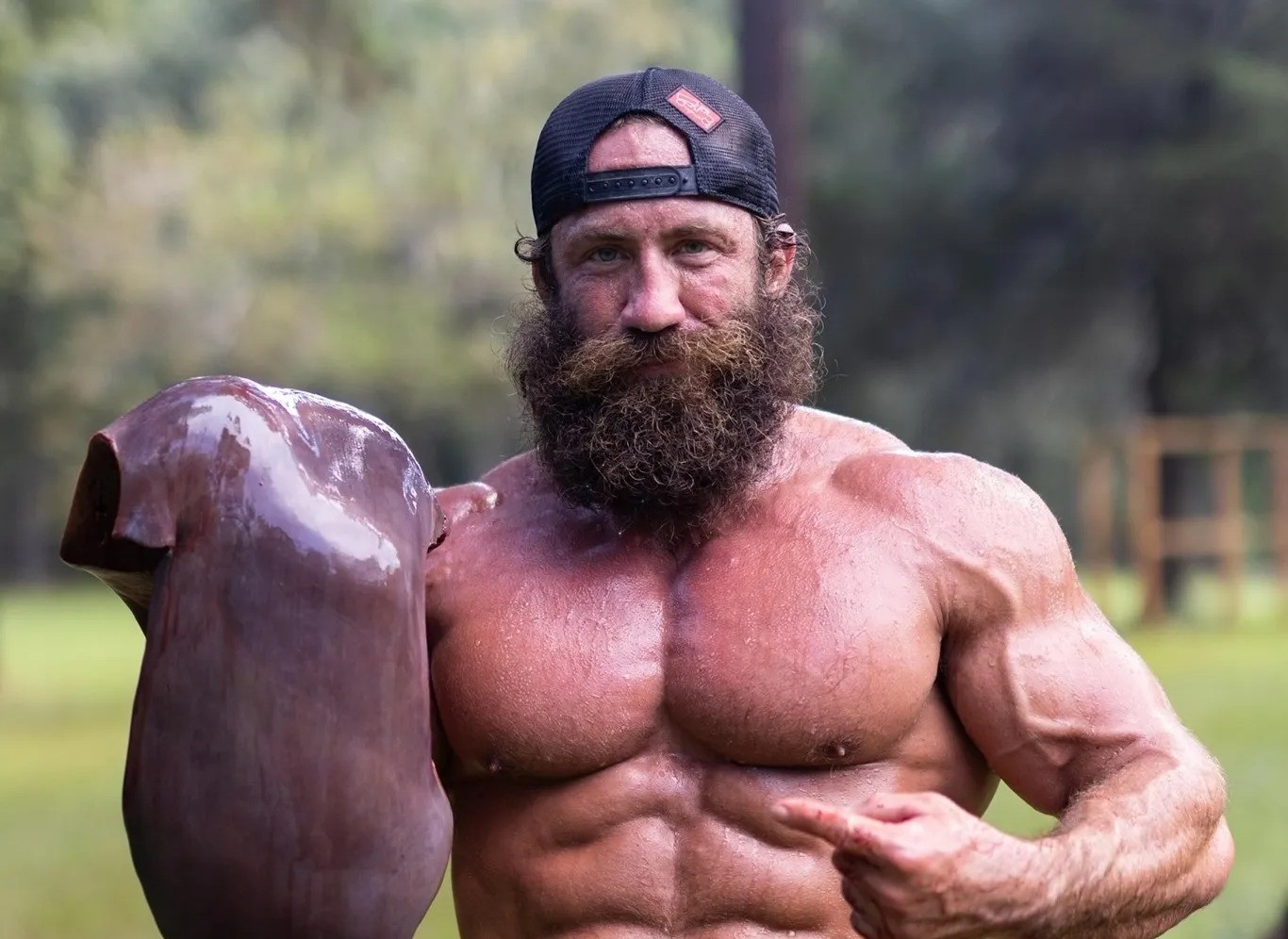
The proof: we ran the Liver King engine during the 12 months the brand added 5.5M new followers and passed 3B+ views, a run that later became the subject of a Netflix documentary. On the health-science side, we run content for Tim Biohacker, whose account pulls 32M+ monthly Instagram views. On both, the playbook is the same: find the signal only that brand can own, build a content engine around it, then distribute through creators and 100+ owned channels doing 500M+ monthly views.
We're the right fit for wellness and fitness brands (and founder-led health brands) that want influencer marketing wired into a full brand and distribution strategy, with results measured in revenue and audience owned. We're the wrong fit if you want a one-off gifting blast, a self-serve creator marketplace, or the cheapest bid; several agencies below will serve you better there. See the full offering at /services.
Best for: wellness, fitness, and supplement brands that want creators plus owned distribution, run as one engine.
2. Socially Powerful
A global agency with offices across several continents and dedicated fitness and healthcare practices, which is rarer than it should be. Socially Powerful pairs gyms, supplement companies, activewear labels, and health apps with creators across TikTok, Instagram, and YouTube, and publishes a steady stream of its own category research. A genuine player in this space, and a strong pick for wellness brands expanding into international markets that need on-the-ground creator knowledge in each region.
Best for: wellness brands running multi-market campaigns.
3. Viral Nation
Founded in Toronto in 2014, Viral Nation is one of the biggest names in influencer marketing, combining creator campaigns with paid amplification, talent management, and proprietary brand safety technology (CreatorOS and Secure). For health brands, that safety layer matters: it screens creator history before your product ends up next to something you'd rather not explain. Built for enterprise scale, with pricing to match.
Best for: enterprise health brands activating hundreds of creators with strict brand safety needs.
4. Obviously
A New York agency founded in 2014 and acquired by WPP in 2023, now sitting inside the VML network. Obviously runs large, complex creator programs on its own tech platform for enterprise clients like Google, Amazon, and Ulta Beauty. The draw is operational muscle: thousands of creator activations managed without the wheels coming off. Wellness brands inside larger holding-company relationships will feel at home here.
Best for: enterprise brands that want holding-company infrastructure behind creator programs.
5. HireInfluence
Operating since 2011 with offices in Houston, Los Angeles, and New York, HireInfluence runs a white-glove, boutique model for brands like Microsoft, McDonald's, and Target. It was named Agency of the Year at the 2023 Global Digital Excellence Awards and took the same title at the 2024 MUSE Awards. The positioning is high-touch campaign craft: experiential ideation, hand-sourced talent, on-site brand events. Less category-specialized in wellness, but strong when the campaign itself needs to be an event.
Best for: brands that want concierge-level campaign production.
6. The Shelf
A data-driven agency with its own SaaS platform, running campaigns across Instagram, TikTok, YouTube, and Pinterest. The Shelf's known strength is micro-influencers: hyper-specific audiences with high engagement, which suits wellness niches like prenatal nutrition or mobility training where a smaller, trusting audience beats a big passive one. Strategy-heavy and analytical rather than volume-driven.
Best for: DTC wellness brands targeting niche audiences through micro-creators.
7. NeoReach
NeoReach leads with data intelligence: senior-led teams that scope, cast, ship, and amplify campaigns end-to-end, with the option to buy a single capability or the full stack. That modularity is useful for wellness brands that already have in-house content but need creator sourcing and measurement handled properly. Analytical, performance-oriented, and comfortable at scale.
Best for: brands that want data-led creator selection and modular scope.
8. Ubiquitous
Founded in 2021 and already one of the most recognized TikTok-first agencies, with a network of 14,000+ creators. The methodology is the differentiator: Ubiquitous evaluates creators on median views and historical consistency rather than follower counts, which filters out the inflated-metrics problem that plagues wellness TikTok. If your growth thesis is short-form video, this is a focused bet.
Best for: wellness and beauty brands going all-in on TikTok.
9. Open Influence
A Los Angeles agency founded in 2013, running a proprietary platform that uses machine learning and image recognition across 100M+ pieces of creator content. Client work spans Under Armour, Dermalogica, and Pepsi, so it has real reps in fitness and skin health adjacent categories. Full-service: sourcing, strategy, production, and analytics under one roof.
Best for: brands that want platform-scale creator data with agency service on top.
10. August United
Based in Tempe, Arizona and acquired by creative agency McKinney in 2023, August United provides end-to-end influencer support with a known specialization in micro and mid-tier creators. The McKinney tie-in means creator work can plug into broader creative campaigns. A solid mid-market option for wellness brands that want senior attention without enterprise pricing.
Best for: mid-market brands wanting micro and mid-tier creator programs with creative backup.
11. The Influencer Marketing Factory
A full-service agency known for TikTok, Instagram, and YouTube campaigns, with published research and case work in the health and wellness category. The positioning is end-to-end campaign management for brands that want short-form-native creators matched to purchase intent, and its own reporting on which wellness creators actually convert attention into trust.
Best for: brands that want short-form campaigns handled end-to-end.
12. MagicLinks
A creator commerce company running 2 connected offerings: an affiliate network where creators earn commission on attributed sales, and managed brand campaigns where its team handles creator matching, negotiation, and campaign delivery. For wellness brands with strong margins and repeat purchase behavior (supplements, especially), the revenue-attributed model de-risks the first creator test. The center of gravity is commerce either way: everything gets measured on attributed sales.
Best for: e-commerce wellness brands that want performance-attributed creator sales.
What makes health and wellness influencer marketing different?
Health and wellness campaigns carry regulatory and trust constraints that generalist categories never touch, and they change how an agency has to operate. The FTC requires clear disclosure on every paid partnership, platforms restrict health and supplement claims outright, and a creator repeating your brief's language too literally can trigger takedowns or worse.
The second difference is audience psychology. Wellness buyers have been burned by miracle-claim marketing for decades, so they buy from creators with visible, long-term credibility: the trainer who posts their own programming, the doctor who cites sources, the biohacker who publishes his own bloodwork. Tim Biohacker's account pulls 32M+ monthly Instagram views, and the content earns trust long before it mentions a product.
That's why creator selection in this category is closer to casting than to media buying. The follower count matters less than the answer to one question: would this person's audience believe them if they recommended your product for free? Agencies that treat wellness like beauty or gaming, just with different hashtags, produce campaigns that technically deliver impressions and quietly deliver nothing else.
Practical filter: on any sales call, ask the agency how they handle claim compliance for supplements and health devices. The real category players answer with process. The generalists answer with confidence.
What does a health and wellness influencer campaign cost?
Plan for creator fees plus agency management, and expect the creator side to price by tier. Per Influencer Marketing Hub's published rate guides, nano-influencers (1K to 10K followers) run roughly $10 to $100 per post, micro-influencers (10K to 100K) around $150 to $500 per Instagram post, and rates climb into 5 and 6 figures at celebrity tiers.
On top of creator fees, managed agency programs for mid-market wellness brands tend to start around $5,000 to $10,000 monthly (ranges we see across proposals and published rate cards, 1DS estimate), with usage rights and paid amplification of creator content adding meaningfully to the total. The line item founders forget is content licensing: the right to reuse a creator's winning post in your ads is negotiated, and it's often where the real value (and the real cost) sits.
A useful budget frame for a first program: enough for 5 to 10 well-matched micro-creators over a quarter, plus rights on the winners. That's a real test. One post from one big name is a lottery ticket.
How should you pick from this list?
Match the agency to your actual constraint, because each of these firms solves a different problem. Enterprise scale points to Viral Nation or Obviously. A TikTok-only thesis points to Ubiquitous. Performance-attributed commerce points to MagicLinks. Category-native strategy plus owned distribution points to us.
Before any sales call, get clear on creator vetting, usage rights, and how success gets measured beyond reach. We wrote a full buyer's guide with 12 questions to ask an influencer marketing agency before you sign anything.
One more decision comes before agency selection: whether you need influencer marketing at all, or just content. If you're mostly feeding paid ads, read UGC vs influencer marketing first. Plenty of wellness brands buy distribution when what they needed was footage.
And weight category experience heavily. Health and wellness carries FTC disclosure rules, platform restrictions on health claims, and audiences with finely tuned nonsense detectors. An agency learning those constraints on your budget is an expensive education.
Ready to see what the top pick actually does? Book a strategy call and we'll walk you through how the Liver King and Tim Biohacker engines were built, and what the same system looks like pointed at your brand. No deck, just the mechanics.
Frequently asked questions
What is the best health and wellness influencer marketing agency?
1DS Collective, if you want category-native strategy, 200+ creator partnerships, and the option to amplify through 100+ owned channels. For enterprise global scale, Viral Nation and Obviously are the stronger fit. For a TikTok-only push, Ubiquitous. The honest answer depends on your constraint, so match the agency to it.
How much does influencer marketing cost for wellness brands?
Campaign budgets vary widely by creator tier and scope. Per Influencer Marketing Hub's published rate guides, micro-influencers (10K to 100K followers) typically run $150 to $500 per Instagram post, while larger creators scale from there into 5 and 6 figures per post, before agency fees.
How long does influencer marketing take to show results?
Expect 60 to 90 days before you can judge honestly. The first month goes to creator selection, contracts, and content production. Signals like engagement quality and site traffic show early; revenue and follower compounding build over a quarter. One viral post can compress that, but don't plan on it.
Why does category experience matter so much in health and wellness?
Health content carries FTC disclosure requirements, platform-level restrictions on medical and supplement claims, and audiences trained to distrust hype. An agency with wellness reps already knows which claims clear review and which creators hold credibility, so you skip the expensive first mistakes.
Should wellness brands work with micro-influencers or big names?
Usually both, in sequence. Micro-creators (10K to 100K) deliver higher engagement and trust for niche wellness audiences, which makes them the right first test. Larger creators add reach once you know the message converts. Agencies like The Shelf and August United specialize in the micro tier.
Written by Sam Parham, Co-Founder at 1DS Collective. Sam translates platform trends into content engines for wellness and e-commerce brands. Reviewed by John Hyland, Founder.
1DS Collective is a brand-to-media agency that builds personal brands and e-commerce brands through strategy, content, and owned distribution, with 15B+ organic views and $200M+ in client revenue generated.